

How to Support Communication Skills at Home
Supporting communication skills at home means creating frequent, low-pressure opportunities for a child to express wants, needs, ideas, and feelings during familiar routines. Caregivers can help by following the child’s interests, modeling useful language, offering choices, waiting patiently, and responding positively to every meaningful communication attempt.

Why do communication skills matter at home?
Communication is more than spoken words. It can include gestures, facial expressions, pointing, sign language, pictures, communication devices, sounds, writing, or any other reliable way a person shares a message.
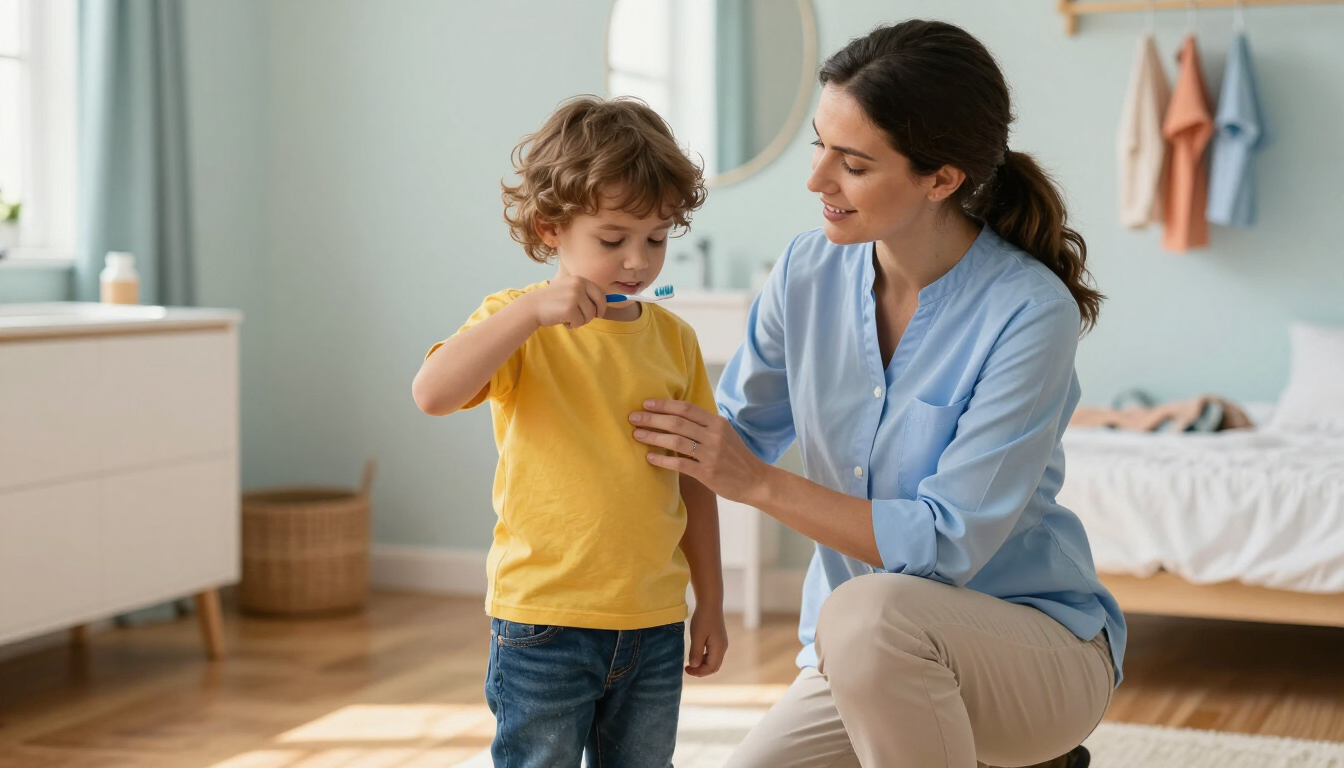
Home is an important place to practice because communication happens naturally throughout the day. A child may communicate while asking for breakfast, choosing clothing, playing, getting ready to leave, or relaxing with family. These familiar moments make practice meaningful rather than separate from real life.
The goal is not to pressure a child to speak or communicate in one specific way. The goal is to help the child communicate effectively, feel understood, and participate with greater independence. If you are exploring individualized support, visit Mosaic ABA’s Services page to learn more.
How can caregivers encourage communication during routines?
Everyday routines provide predictable opportunities for interaction. Choose one or two routines to begin with and keep expectations realistic.
Try these practical approaches:
- Pause before helping: Give the child a few extra seconds to request assistance, indicate a choice, or show what they need.
- Offer meaningful choices: Hold up two options and ask, “Apple or banana?” Accept a point, look, gesture, word, picture, or device response.
- Use simple, useful language: Describe what is happening with short phrases such as “open the door,” “more bubbles,” or “shoes on.”
- Create a reason to communicate: Place a favorite item in a visible but not immediately accessible location, then wait for an attempt to request it.
- Respond quickly and positively: When the child communicates, honor the message whenever possible and acknowledge the effort.
These strategies should feel like natural interaction, not a test. If the child becomes frustrated, provide support and reduce the demand.
Communication strategies for meals, play, and getting dressed
Small changes to familiar activities can create many opportunities for communication.
During meals
Let the child choose between foods, request more, indicate “finished,” or help select a cup and utensil. Keep preferred foods available while introducing variety without forcing a bite. Model words such as “more,” “help,” “drink,” and “all done.”
During play
Follow the child’s interests instead of directing every action. Join the activity, imitate what the child does, and add one simple word or action. If the child rolls a car, you might say “car go” and pause to invite another turn. Songs, bubbles, blocks, and books can encourage requesting, turn-taking, and commenting.
During dressing
Offer two shirts, pause before fastening a zipper, and invite the child to indicate the next step. Visual choices or a simple picture schedule may make the routine easier to understand. Celebrate participation, even when the child needs physical or verbal assistance.

What should caregivers do when a child does not respond?
A delayed response does not necessarily mean the child is ignoring you. The child may need more processing time, clearer language, fewer distractions, or a different communication method.
Try the following:
- Move closer and gain attention without demanding eye contact.
- Use one short phrase instead of repeating a long question.
- Wait silently for several seconds.
- Demonstrate or point to the available choices.
- Accept any intentional response and build from it.
Avoid repeating the same question rapidly or correcting every attempt. Too much pressure can make communication feel difficult. Instead, model the desired message and keep the interaction safe and encouraging.
How can you support communication without forcing speech?
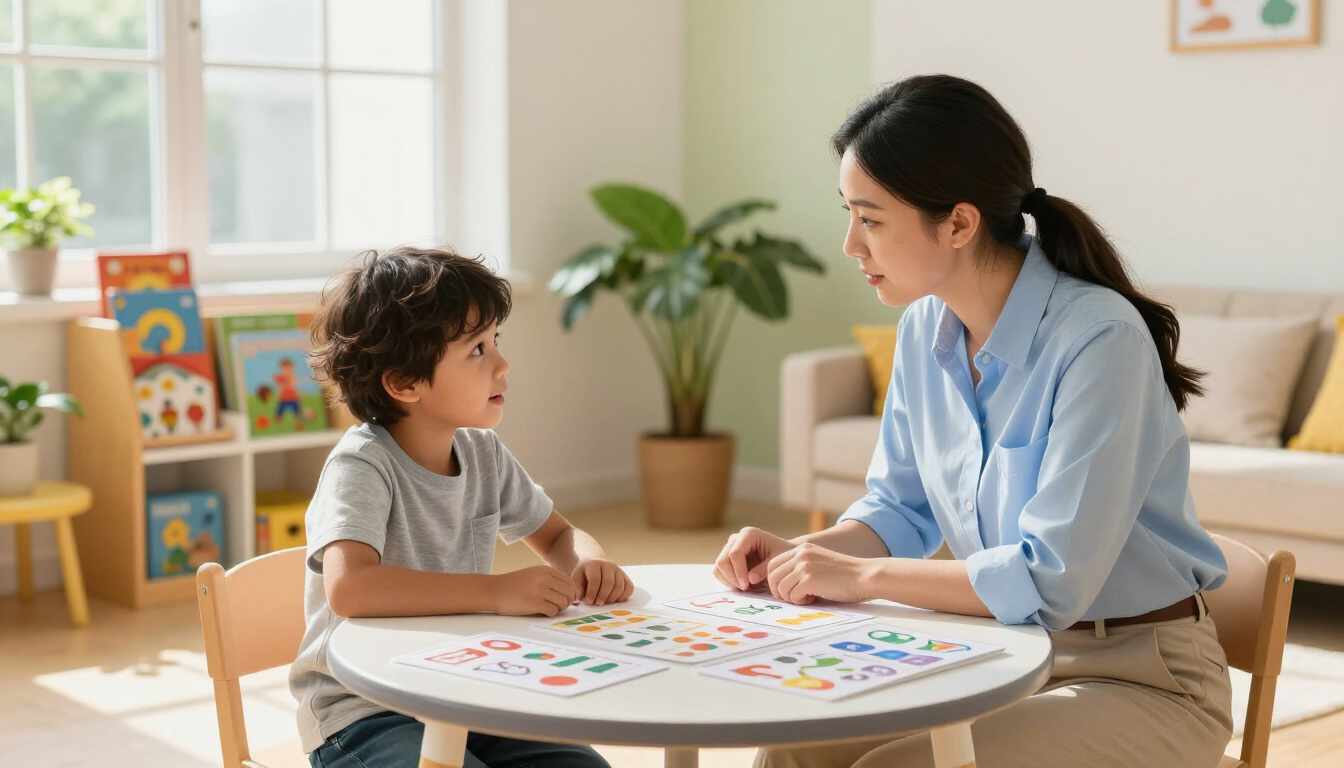
A child should have access to the communication method that works best for them. Spoken language may be one option, but it is not the only valid option. Pictures, signs, gestures, written words, and augmentative or alternative communication (AAC) can all support meaningful interaction.
Caregivers can:
- Keep communication supports available across rooms and routines.
- Model how to use a picture board or device without demanding imitation.
- Treat all clear communication attempts as valuable.
- Use the same key words consistently across family members.
- Coordinate with the child’s behavior analyst, speech-language pathologist, or other providers.
Using AAC or visual supports does not prevent speech development. Providing a reliable way to communicate can reduce frustration and increase participation while skills continue to develop.
Building a supportive communication environment
A communication-friendly home is predictable, responsive, and respectful. Consider making these adjustments:
- Keep favorite materials visible and organized so the child can indicate what they want.
- Reduce background noise during important conversations.
- Use visual schedules for routines that happen in the same order.
- Provide regular choices, but avoid overwhelming the child with too many options.
- Notice and respond to communication that happens without prompting.
Family members do not need to turn every moment into therapy. Warm conversation, shared attention, humor, and enjoyable activities are valuable on their own. A caregiver’s responsiveness teaches the child that communication has an impact.
When should a family seek professional guidance?
Consider asking for professional support when communication difficulties regularly cause frustration, limit participation, or make daily routines unsafe. Guidance may also help when a child loses communication skills, does not have a reliable way to express basic needs, or caregivers are unsure how to respond.
An individualized assessment can identify strengths, barriers, motivating interests, and practical goals. The best plan fits the child and family rather than applying the same strategy to everyone. You can learn more about Mosaic ABA’s approach on the About page or contact the team with questions.
Frequently asked questions
What is the best way to encourage communication at home?
Follow the child’s interests, offer choices, model short useful language, pause for a response, and honor communication in any effective form. Consistent, positive interactions are usually more helpful than frequent demands to repeat words.
How long should I wait for a response?
Start with several quiet seconds, then adjust based on the child’s processing time. Waiting too briefly can remove the opportunity to respond. If the child seems frustrated, offer a visual or verbal prompt rather than continuing to wait.
Should I correct unclear communication?
Respond to the meaning first. If the child says or indicates “juice,” you can provide it and model “more juice” without requiring repetition. This keeps communication successful while offering a clearer example.
Can communication practice happen without toys?
Yes. Washing hands, opening containers, choosing a route, feeding a pet, and preparing for bed all create natural opportunities to request, reject, comment, answer, and participate.
Key takeaways
Supporting communication skills at home works best when practice is embedded in routines the child already understands and enjoys. Offer meaningful choices, pause patiently, model simple language, and recognize gestures, pictures, signs, devices, and words as valid communication. Avoid pressure and focus on connection, clarity, and independence. Start with one daily routine, observe what helps, and share your observations with the child’s support team. With consistent responses and individualized guidance, ordinary home activities can become practical opportunities for communication growth.
Recent Posts